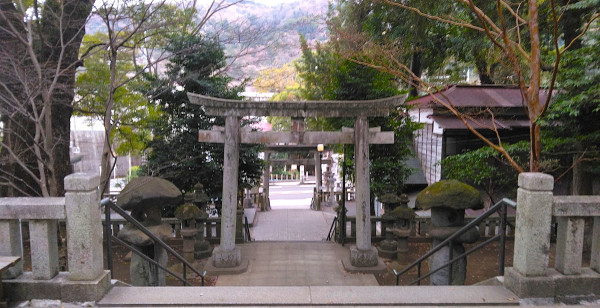
車道から本殿に至るまでには、二つの鳥居を潜る。To reach the main shrine building from the road, I passed through two torii
gates.
定説によれば、規模の大きい神社にこそ、鳥居が複数設置される。だがこの五所神社は、車道から本殿に至る階段はおよそ100mながら、途中に二つ目の鳥居が建立してある。規模云々に関わらず、それだけこの神社には神聖な意味合いが深いのであろう。
According to established theory, larger shrines have multiple torii gates.
However, at Goshō Shrine, although the stairs leading from the road to the main shrine were only about 100 meters long, there was a second torii gate erected along the way. Regardless of its scale, this shrine would hold a profound sacred significance.
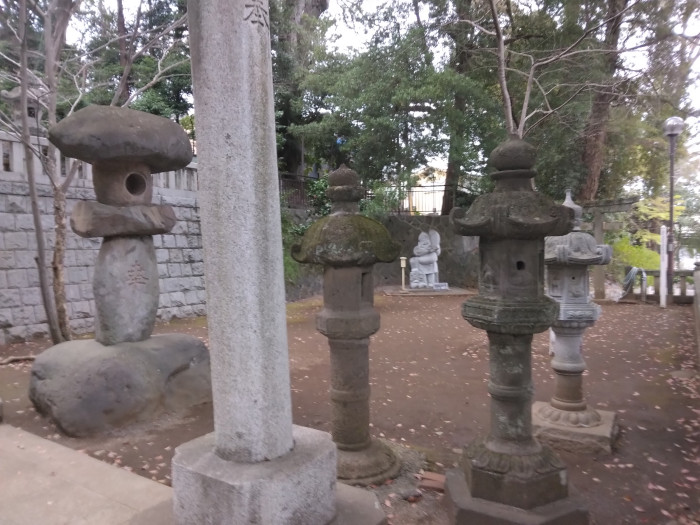
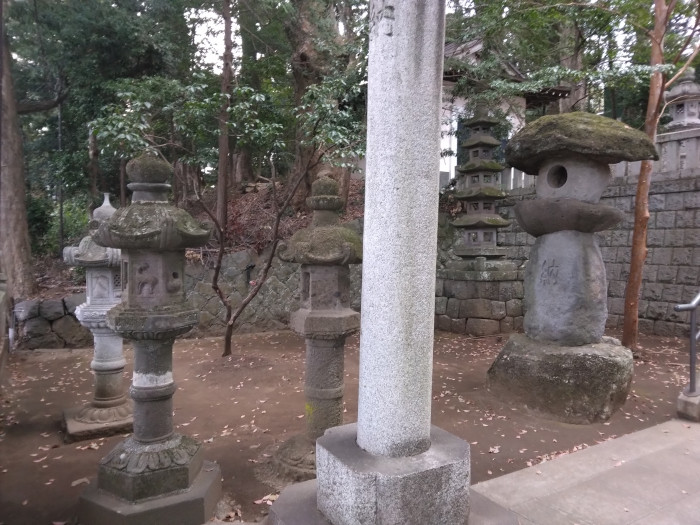
It was strange to see various stone pagodas scattered on either side of the
参道の階段の途中に立つ二の鳥居の両脇には、多様な石塔が散在しているのが不思議であった。
second torii gate, which stood halfway up the steps leading to the shrine.
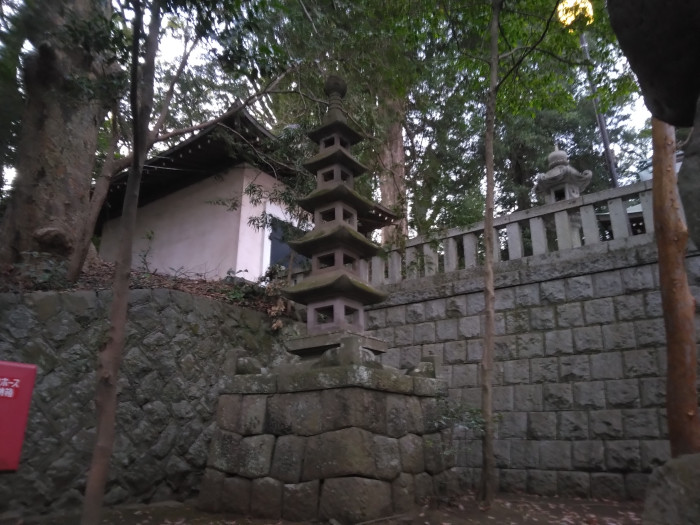
本殿の敷地は質素である。
The grounds of the main hall were modest.
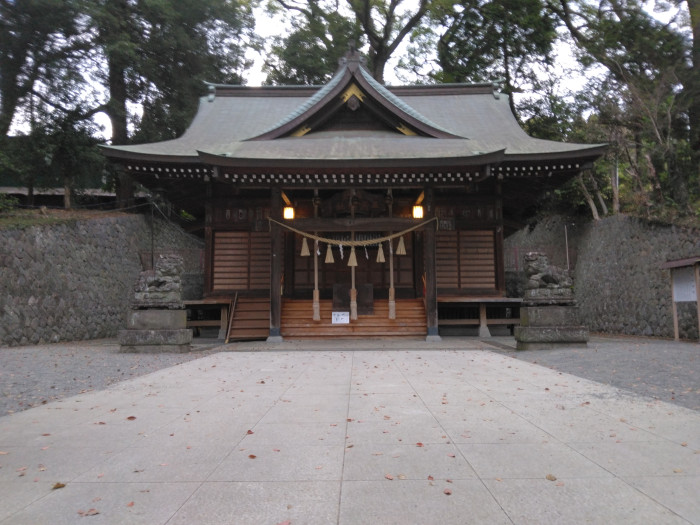
神奈川県内の寺社の建造物は江戸時代に建立されたものが多い中、この本殿は室町時代の設立とされている。元々は独立した本殿の形であったが、昭和57年の再建の際に入母屋造り拝殿後部と接続される形となったそうである。
While many temples and shrines in Kanagawa Prefecture were built during the Edo period, this main hall is believed to have been established during the Muromachi period. Originally, it was a separate main shrine building, but during its reconstruction in 1982, it was connected to the rear of the irimoya-zukuri
style (a building with a hip-and-gable roof) worship hall.
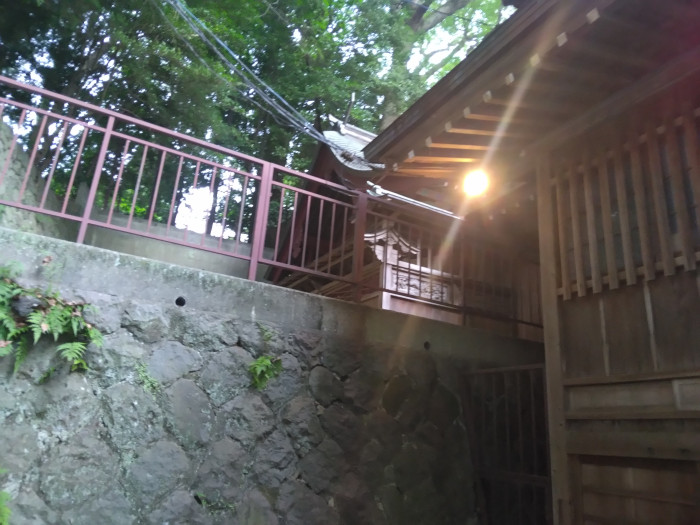
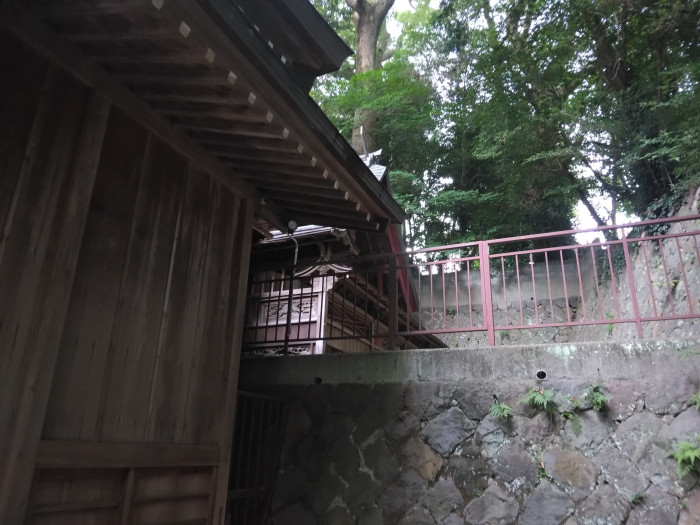
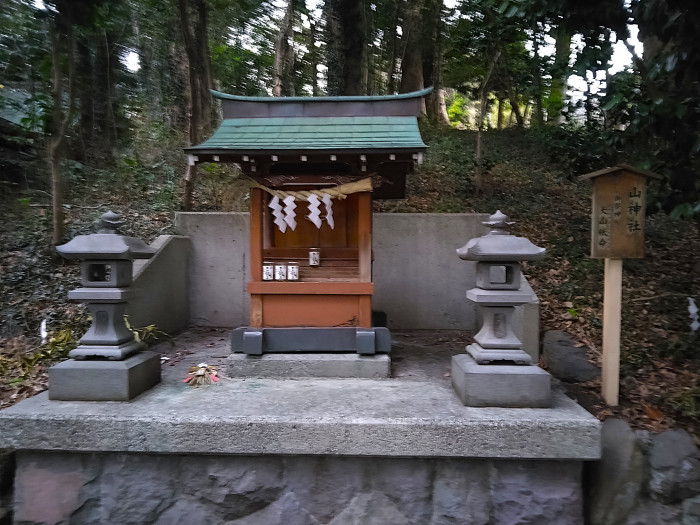
本殿の右脇の細道には、”大山祇命(おおやまつみのみこと)”を祀る小さな”山神社”が安置されている。To the right of the main shrine, along a narrow path, is a small mountain shrine dedicated to "Ōyamatsumi-no-Mikoto."
諸説あるが、一般に伊邪那岐命と伊邪那美命の子で、木花開耶姫命の父でもあると言われている。名にある「おおやまつみ」は「大いなる山の神」の意である。そのため、林業、鉱山、水、田の神としても信仰を受けている。「和多志大神(わたしのおおかみ)」の別名もあり、「わた」が「海」の意であることから、山と海の双方を司っているとも言われている。
There are various theories, but he is generally said to be the son of Izanagi-no-Mikoto and Izanami-no-Mikoto, and also the father of Konohanasakuya-hime-no-Mikoto. The name "Ōyamatsumi" means "great mountain deity." Therefore, it is also worshipped as the god of forestry, mining, water, and rice fields. He is
also known by the alternative name "Watashi no Ōkami." Since "wata" means
"sea," it is said that the deity governs both mountains and the sea.
In the local area, he is affectionately called "Yama-no-Kami-san".
地域周辺では「山の神さん」と呼ばれ、親しまれている。
敷地内には、そこかしこに七福神の石像が安置されている。各々の神の効能を紹介し、設置場所を示した看板があるが、まずは試しに、ご自身で七つの神を捜索してみるのも面白いかもしれない。
Stone statues of the Seven Lucky Gods were placed throughout the grounds. There were signs explaining the benefits of each deity and indicating where
they are located, but it might also be fun to try searching for the seven deities
on your own first.
ここの七福神像の様相には、いくつか特殊なものがあった。一般に流布している姿や概念とは若干異なっているので、そこに着目してみると一層楽しめるのではなかろうか。
Some of the Seven Lucky Gods statues here had a unique appearance. Since those differ somewhat from the generally accepted image and concept, focusing on that difference might make it even more enjoyable.
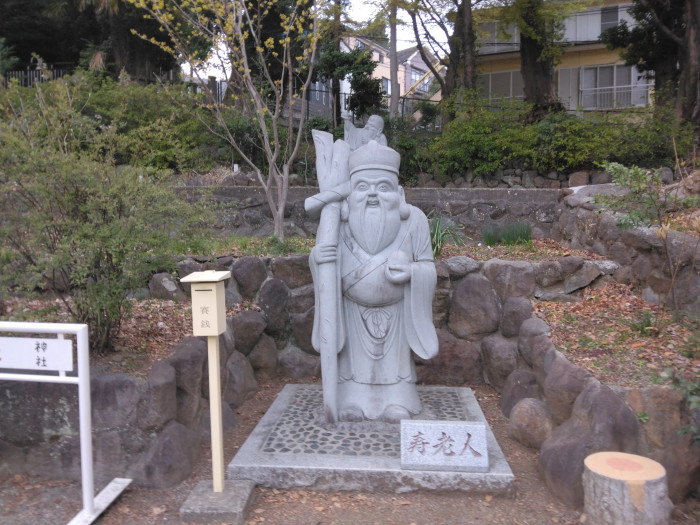
まずは”寿老人”の像である。名の通り、長寿を司る神である。ご案内によると、その他に家庭円満、健康、幸福と財産と寿命の守護神と記載されている。
The first item to be introduced is a statue of "Jurojin." As the name suggests, he is a deity who presides over longevity. According to a booklet obtained at Gosho Shrine, the deity is also described as a guardian of family harmony, health,
The first item to be introduced is a statue of "Jurojin." As the name suggests, he is a deity who presides over longevity. According to a booklet obtained at Gosho Shrine, the deity is also described as a guardian of family harmony, health,
happiness, wealth, and longevity.
左手に持っているのは、香りも味も豊かな桃である。この一口に瞬間的な永続性があることに、長寿の意味が込められている。この像には見られなかったが、不死の霊薬の入った瓢箪を持っている、ともある。What was held in the left hand was a peach, rich in both aroma and flavor. The "instantaneous permanence" felt upon taking a bite of this food means
左手に持っているのは、香りも味も豊かな桃である。この一口に瞬間的な永続性があることに、長寿の意味が込められている。この像には見られなかったが、不死の霊薬の入った瓢箪を持っている、ともある。
longevity. Although not depicted in this stone statue, it is also said that he holds a gourd containing an elixir of immortality.
A scroll was tied to the staff grasped by the right hand. The lifespans of living
右手に握る杖には巻物が結いつけられている。ここには生物の寿命が記されており、書き換えることで寿命が延びるとされている。中国の伝承で、千年生きると「玄鹿」、さらに千年すると「白鹿」になると記載される鹿を連れているそうである。
beings were recorded on it, and it is said that these lifespans can be extended
by altering what is written. He is said to be accompanied by a deer that,
according to Chinese legend, becomes a "black deer" after living for a thousand years, and then a "white deer" after another thousand years.
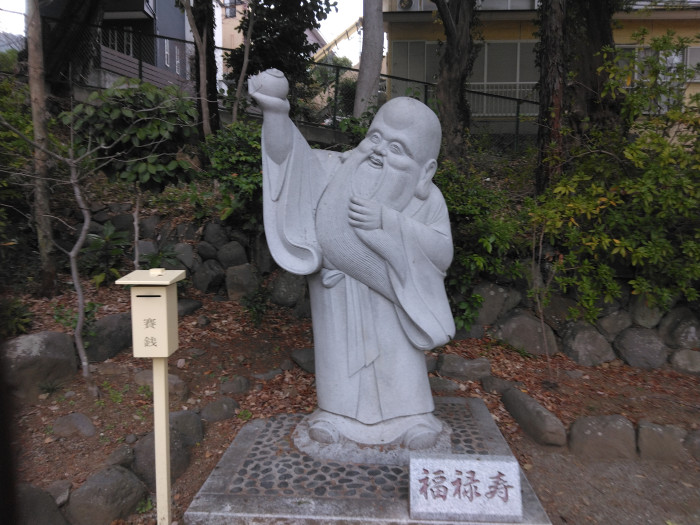
こちらは、長い頭でよく知られる”福禄寿”である。主に財の福を担っている。ご案内によると、その他に健康、人徳、幸福と財産と寿命の守護神と記載されている。
Next is Fukurokuju, well known for his long head. He is primarily associated with good fortune related to wealth. According to the booklet, it is also written as a guardian deity of health, virtue, happiness, wealth, and longevity.
中国の道教にルーツを持ち、福星、禄星、寿星の三神が一体化した仙人と言われている。諸説あるが、名前の福には幸福(子孫繁栄)、禄には封禄(金運)、寿には長寿の意味があると言われている。欲張らなければ、自ずと幸福が訪れることを示唆している。
He is said to have roots in Chinese Taoism and be an hermit formed by the unification of the three deities: the Lucky Star, the Prosperity Star, and the
Longevity Star. There are various theories, but it is said that the name Fuku
means happiness (prosperity of descendants), Roku means prosperity (financial fortune), and Ju means longevity. This suggests that happiness will naturally
come to you if you are not greedy.
この像は、願いを叶える霊妙な玉、宝珠を右手で掲げている。他では、杖やお経が記された経巻を持つともされている。長寿を表す鶴や亀を連れている。
This statue holds up a "hōju" (a miraculous gem capable of granting wishes) in its right hand. In other accounts, it is said to carry a staff and a scroll containing Buddhist scriptures. It is accompanied by a crane and a turtle, which represent
longevity.